Skip to content
Preparing for surgery can feel exciting and a little overwhelming at the same time, especially when the procedure involves such a visible and delicate area of the face. Upper eyelids affect expression, comfort, vision, and how rested the eyes appear, so it makes sense to want clear steps before moving forward.
At AR Aesthetics, Upper Eyelid Surgery is designed to address concerns like hooded lids, puffiness, loss of eyelid definition, asymmetry, and vision obstruction caused by excess upper eyelid skin. For patients considering Upper Eyelid Surgery in Tampa, FL, preparation can help you feel more confident, reduce avoidable stress, and support a smoother healing experience.
How should patients prepare for upper eyelid surgery?
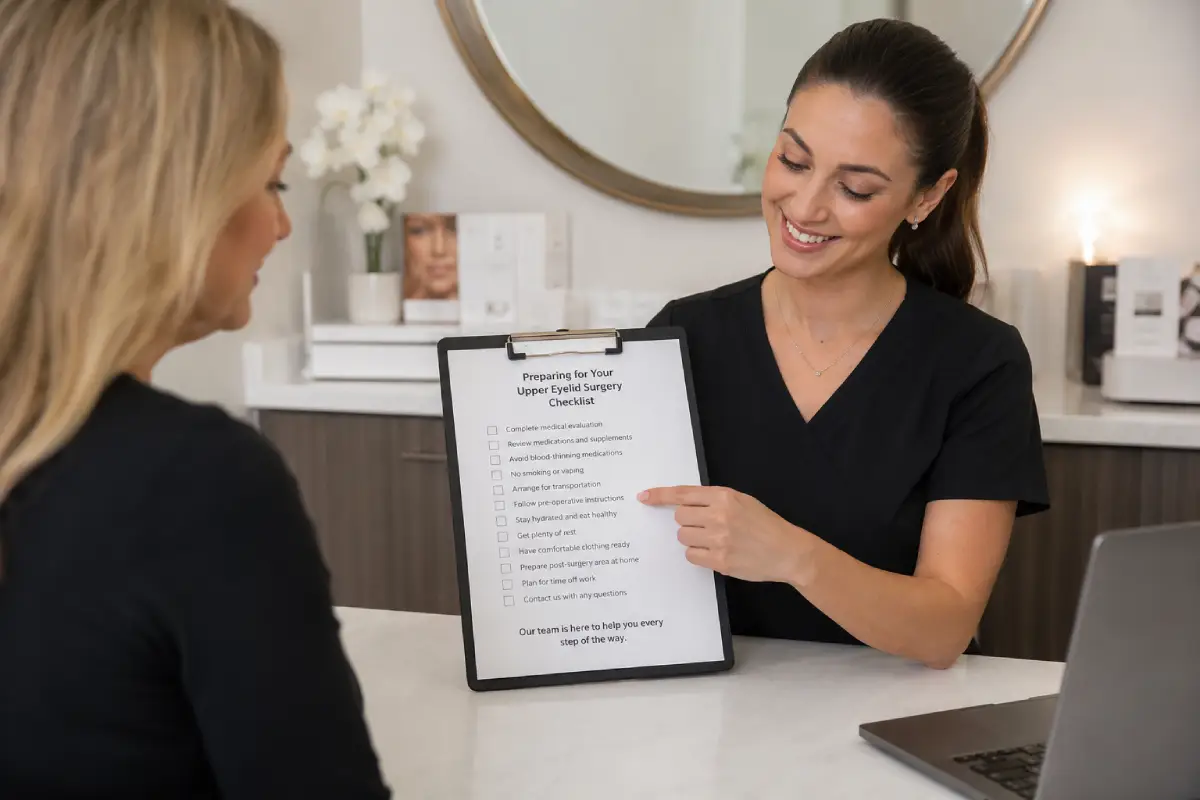
Patients should prepare for upper eyelid surgery by following their surgeon’s medical instructions, stopping certain medications or supplements when advised, avoiding alcohol and nicotine, arranging transportation, preparing a recovery area, arriving with clean skin, and planning time for rest after the procedure.
Understanding Upper Eyelid Surgery
Upper Eyelid Surgery, also called upper blepharoplasty, is a procedure that removes or repositions excess skin, fat, or tissue from the upper eyelids. It is often performed when the lids look heavy, hooded, puffy, or less defined due to aging, genetics, or changes in skin elasticity. In some cases, drooping upper eyelid skin can also interfere with the field of vision.
It is a surgical approach that uses discreet incisions along the natural eyelid crease to reshape the upper lid area. The goal is to create a more open, rested, and balanced appearance of the eyes while preserving facial harmony. Because the eyelid area is delicate, preparation, surgical planning, and aftercare all play an important role in the overall experience.
Why Preparation Matters
Good preparation helps you enter the procedure with fewer surprises. It gives you time to ask questions, adjust medications if instructed, plan transportation, prepare your home, and set realistic expectations for swelling and healing.
Upper eyelid surgery is often a relatively focused procedure, but it is still surgery. That means your body needs support before and after treatment. The better prepared you are, the easier it may be to rest, follow instructions, and avoid unnecessary strain during the first few days of recovery. Preparation also helps reduce last-minute stress. Instead of scrambling for supplies or trying to arrange help after surgery, you can focus on healing.
Start With a Thorough Consultation
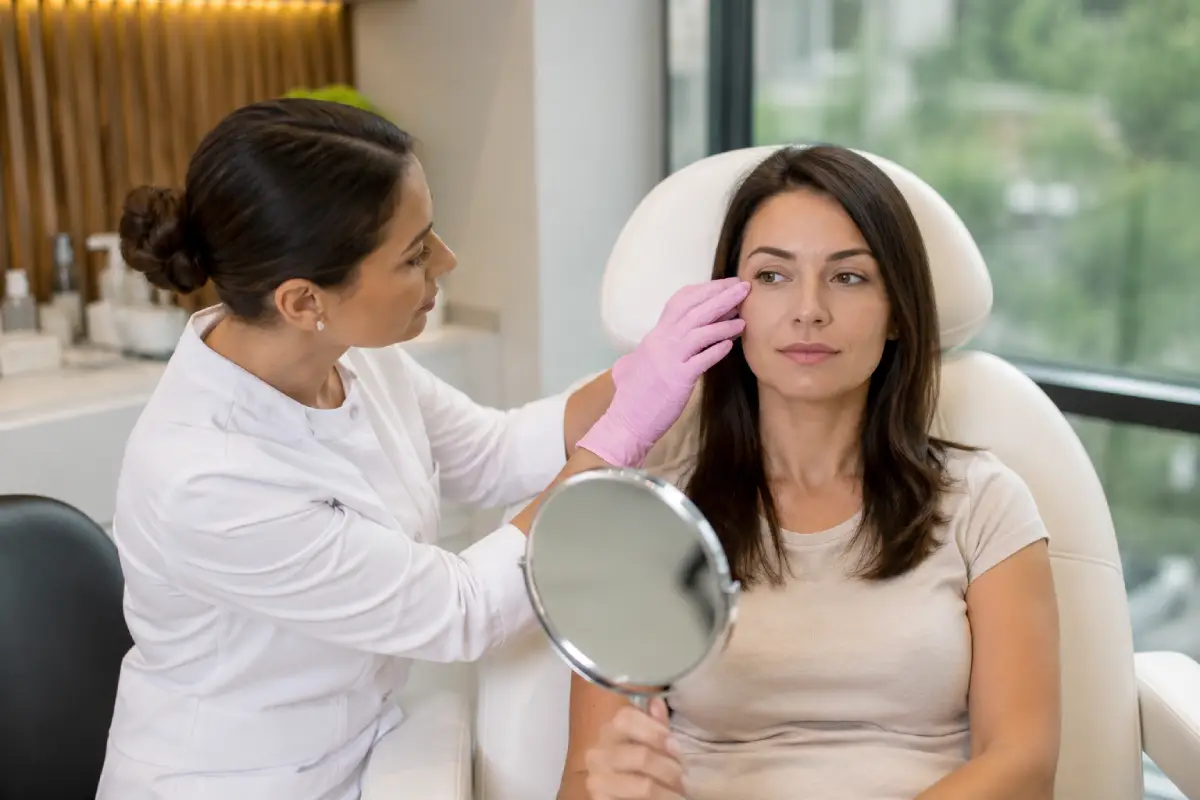
The consultation is the first step in your preparation. Here, your doctor examines your upper eyelids, considers your concerns, and decides if surgery is the best course of action.
You could talk about lack of eyelid definition, hooded eyelids, puffiness, uneven lids, or vision restriction. Inquiries concerning your medical history, drugs, allergies, prior operations, ocular diseases, and lifestyle choices may also be made by your healthcare provider. Be truthful in this discussion. Planning and recovery instructions may be affected by factors such as smoking, contact lens use, dry eye, blood thinners, or prior eye surgery.
Checklist 1: Review Your Medications and Supplements
Before upper eyelid surgery, your provider may ask you to stop certain medications or supplements that can increase the risk of bleeding or bruising. This may include blood-thinning medications, aspirin, anti-inflammatory drugs, fish oil, vitamin E, herbal supplements, or other products, depending on your health history.
Never stop prescription medications unless your provider tells you to or coordinates with your prescribing physician. Safety comes first. Bring a complete list of everything you take, including prescriptions, over-the-counter medications, vitamins, and supplements. This allows your provider to give accurate instructions.
Checklist 2: Avoid Alcohol and Nicotine
Alcohol and nicotine can interfere with healing. Nicotine affects blood flow, which can slow recovery and increase the risk of complications. Alcohol may increase the risk of swelling, dehydration, and bruising.
Your provider will tell you how long to avoid these before and after surgery. Following this guidance is one of the most practical ways to support healing. Even if you only smoke occasionally or use nicotine products like vaping, patches, or gum, tell your provider. Nicotine exposure in any form can matter during surgical planning.
Checklist 3: Prepare Your Recovery Space
Before your surgery, create a cozy recovery space. Avoid needless movement, keep supplies close at hand, and pick a spot where you can relax with your head raised.
Extra pillows, fresh towels, appropriate cold compress materials, bottled water, simple meals, prescription drugs, artificial tears if advised, and your aftercare instructions should all be easily accessible. Simplify your entertainment. During the initial stages of recovery, audiobooks, podcasts, and music might be more convenient than reading or watching screens.
Checklist 4: Arrive With Clean, Makeup-Free Skin
On the day of surgery, arrive with clean skin and no eye makeup, mascara, eyeliner, foundation, lotions, creams, or other skincare products on or around the treatment area unless your provider instructs otherwise.
Clean skin helps reduce the risk of irritation and supports a safer surgical environment. Remove contact lenses if instructed and bring glasses if you need vision correction. Avoid applying perfume or fragranced products on the day of surgery, especially since the eye area can be sensitive.
Checklist 5: Stock Up on Soft, Easy Meals
After surgery, you might not feel like cooking right away. Make easy meals and snacks in advance. Select foods that are healthful, easy to eat, and not excessively salty.
Maintaining a balanced diet may help reduce swelling caused by high-sodium foods. Keep water and non-caffeinated beverages on hand because staying hydrated is crucial. High-protein meals can aid recovery. Depending on your typical diet, consider straightforward choices like eggs, yogurt, soups, smoothies, fish, poultry, beans, or soft-cooked veggies.
A Confident Surgery Experience Starts Before Procedure Day
Upper Eyelid Surgery preparation is about more than checking boxes. It helps you protect your comfort, support healing, and enter the process with a clear understanding of what to expect. From reviewing medications and avoiding nicotine to preparing your recovery space and arranging transportation, each step can make the experience smoother.
Our experts at AR Aesthetics provide patients with personalized guidance before and after surgery to feel informed and supported. To learn whether upper eyelid surgery is right for your concerns, book a Consultation today.